Different Timber Frame Traditions When Raising a Frame
Raising a timber frame is more than a construction milestone—it’s a time-honored tradition rooted in centuries of timber artistry. Across cultures and regions, the act of assembling and lifting a timber frame has carried symbolic meaning, communal pride, and proven building practices. At Timbercraft, modern precision meets these historic traditions, honoring the past while building for today.
 The European Guild Tradition
Many of today’s timber framing principles originate in medieval Europe. In countries like Germany, England, and France, master carpenters trained through guild systems, passing knowledge from generation to generation.
Frames were often pre-cut by hand and test-fitted on the ground before the raising. During the raise, joinery such as mortise and tenon connections were locked together with wooden pegs—no metal fasteners required. This tradition emphasized accuracy, skill, and pride in visible structure, values Timbercraft continues by showcasing exposed joinery and hand-cut details in every frame.
The English Tying Joint and Bent System
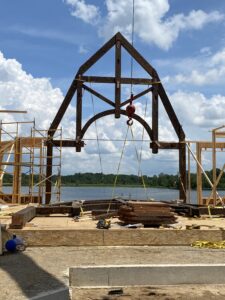
English timber framing introduced the bent system—assembling sections of the frame flat on the ground, then raising them upright one at a time. This method made large structures possible with limited tools and manpower.
The bent system remains central to modern timber framing and is still used by Timbercraft today. It allows for efficient raises, structural integrity, and dramatic moments as each bent is lifted into place—often the highlight of a timber frame raising.
The Scandinavian Community Raise
In Scandinavian countries, timber frame raises were true community events. Neighbors gathered to help lift heavy timbers using ropes, poles, and sheer strength. These gatherings were often followed by celebrations, reinforcing the idea that a home was built not just for a family, but with the support of a community.
Timbercraft honors this spirit by welcoming homeowners to be part of the raising process. Watching a frame come together—sometimes in a single day—creates a powerful connection between the homeowner and their future home.
The American Barn-Raising Tradition
Perhaps the most well-known timber framing tradition in North America is the barn raising. Early American settlers adapted European methods to the New World, using local hardwoods and practical designs.
Barn raisings symbolized cooperation and resilience. Entire frames were raised in a matter of days with many hands working together. This tradition influences Timbercraft’s efficient, well-planned raises, where careful preparation allows the structure to come together smoothly and safely.
The Topping-Out and Pegging Traditions
Across many cultures, the final beam placed during a raising is a moment of celebration. Often called a “topping-out” ceremony, it may include signing a beam, placing a tree or wreath at the peak, or offering thanks for the craft and the workers.
At Timbercraft, homeowners often take part in driving the final pegs or signing a key timber—a lasting personal mark that ties them directly to the frame and its story.
Honoring Tradition with Modern Craftsmanship
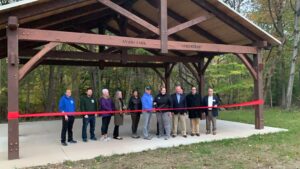 While tools and technology have evolved, the heart of timber framing remains the same. Timbercraft combines CNC precision, sustainable materials, and modern engineering with time-tested raising traditions. The result is a timber frame home that carries history in its structure while meeting today’s performance and design standards.
A Timbercraft raising isn’t just about building a home—it’s about continuing a legacy of craftsmanship that spans continents and centuries.