Choosing Oak vs. Douglas Fir for Your Timbercraft Timber Frame
Understanding the Difference from Design Through Manufacturing
When designing a timber frame home, every detail matters — from the layout of the floor plan to the style of the joinery. But one of the most important choices happens early in the process: selecting the wood species that will shape the frame itself.
At Timbercraft, two of the most popular options are Oak and Douglas fir. Both are exceptional structural timbers, but each offers its own look, feel, and performance characteristics. Understanding the difference can help you choose the species that best fits your home’s style, location, and long-term vision.
The Design Stage: Matching Wood to Style
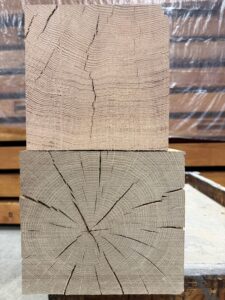
The timber species you choose plays a major role in the overall aesthetic of your frame.
Oak: Bold Character and Classic Presence
Oak is known for its rich grain patterns, warm tones, and substantial appearance. It tends to feel traditional and grounded, making it a strong match for:
-
Classic timber frame estates
-
Rustic or old-world inspired designs
-
Homes with heavy, dramatic beams and detailing
Oak timbers naturally draw attention and create a strong visual centerpiece in any great room or entryway.
Douglas Fir: Clean Lines and Versatility
Douglas fir offers a smoother grain and lighter color, giving it a refined and open look. It works beautifully in designs that lean toward:
-
Mountain modern or contemporary timber frames
-
Bright, airy interiors
-
Frames with clean architectural lines
Fir is often chosen for its ability to blend seamlessly into both rustic and modern environments.
Structural Performance: Strength and Application
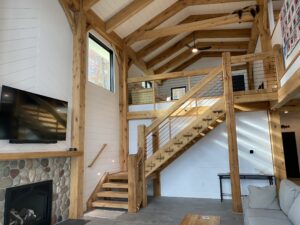
Both oak and Douglas fir are excellent structural woods, but they behave differently in a timber frame system.
Oak: Dense and Durable
Oak is a hardwood with impressive density. It provides exceptional strength and wear resistance, making it ideal for frames where bold visual impact and longevity are priorities.
Because of its hardness, oak is often associated with historic European timber framing and centuries-old structures.
Douglas Fir: Strong and Stable Softwood
Douglas fir is a softwood, but it is one of the strongest softwood species used in heavy timber construction. It offers:
-
High strength-to-weight ratio
-
Predictable performance
-
Excellent stability in large structural spans
Fir is widely used across North America for timber framing due to its availability and reliability.
The Manufacturing Process: From Timber Selection to Precision Cutting
At Timbercraft, the process of transforming raw timbers into a finished frame is where species differences become especially important.
Milling and Preparation
Both oak and Douglas fir begin with careful selection and grading. Timbers are chosen for structural integrity, appearance, and consistency.
-
Oak requires additional attention due to its density and hardness.
-
Douglas fir mills smoothly and efficiently, making it ideal for detailed layouts and clean finishes.
Joinery and Cutting
Timbercraft frames are built using precision-cut joinery, where every mortise, tenon, and connection must fit perfectly.
-
Oak’s hardness creates extremely crisp joinery but requires more tooling effort and machining time.
-
Douglas fir cuts cleanly and allows for efficient production while still maintaining strong joinery.
Both species result in a frame that is structurally sound and visually striking — the difference lies in texture, weight, and finishing behavior.
Finishing and Long-Term Appearance
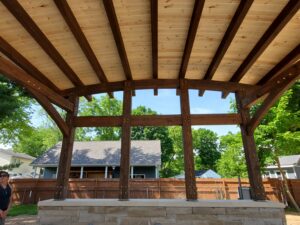
Your wood choice will also influence how the frame ages over time.
Oak Aging
Oak deepens in tone and continues to show pronounced grain character as it matures. It often develops a historic, established feel.
Douglas Fir Aging
Fir tends to mellow into warm amber tones and maintains a lighter, more uniform appearance.
Both can be finished with stains or clear coats, depending on the interior style you want to achieve.
Making the Right Choice for Your Timbercraft Frame
Ultimately, choosing between oak and Douglas fir comes down to the vision you have for your home.
Choose oak if you want:
-
Bold grain and dramatic warmth
-
A classic, traditional timber frame presence
-
Dense hardwood character
Choose Douglas fir if you want:
-
A lighter, cleaner appearance
-
A versatile option for modern or rustic designs
-
Excellent structural performance with smooth finishing
Timbercraft Guidance from Start to Finish
From the earliest design conversations through manufacturing and final cutting, Timbercraft helps guide each homeowner through the selection process to ensure the timber species fits both the structure and the style of the home.
Whether you’re drawn to the commanding presence of oak or the refined versatility of Douglas fir, your timber frame will be built with the same care, precision, and attention to detail every step of the way.