Things to Think About When Designing a Timber Frame Home
Designing a timber frame home is an exciting process—one that blends structure, style, and long-term livability. Because the frame itself plays such a visible role in the finished home, early design decisions matter more than ever. Here are some key considerations to keep in mind as you begin shaping your timber frame vision.
1. Let the Frame Lead the Layout
Timber framing isn’t just a structural system—it’s a design feature. Post and beam placement will influence room sizes, ceiling heights, and traffic flow. Thinking about where you want exposed timbers, open spans, or dramatic bents early on helps create a layout that feels intentional rather than forced.
2. Balance Open Space and Comfort
Open floor plans are a natural fit for timber frame homes, especially in great rooms and kitchens. At the same time, it’s important to balance openness with cozy, private spaces. Strategic use of partial walls, lofts, and ceiling transitions can help define areas without closing them off.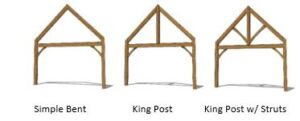
3. Consider Ceiling Heights and Volume
One of the biggest advantages of timber framing is the ability to create tall ceilings and wide-open interiors. Vaulted spaces, cathedral ceilings, and lofted views can make a home feel expansive—but they should be designed thoughtfully to avoid overwhelming more intimate rooms.
4. Choose Timber Species and Details Early
Wood species, joinery details, and decorative elements such as braces, trusses, rafter tails, and pendants all contribute to the personality of the home. Whether your style leans rustic, contemporary, or somewhere in between, these choices are best made during the design phase so they’re fully integrated into the frame.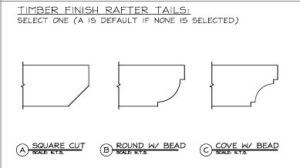
5. Think About Natural Light
Large windows pair beautifully with timber framing, highlighting the grain and texture of the wood. Consider how sunlight will move through the home throughout the day, especially in main living areas. Window placement should complement the frame, not compete with it.
6. Plan for Energy Efficiency
A timber frame home can be highly efficient when paired with the right building envelope. Wall systems, insulation choices, window performance, and roof design all play a role in long-term comfort and energy use. These elements should be coordinated early so the frame and enclosure work seamlessly together.
7. Design for How You Live
Every home should reflect the people who live in it. Think about daily routines, entertaining habits, future needs, and storage requirements. Timber framing offers flexibility, making it easier to accommodate features like first-floor primary suites, home offices, four-season rooms, or expanded outdoor living spaces.
8. Plan for the Site
The land itself should help guide the design. Views, sun orientation, topography, and access points can all influence the shape and orientation of the home. A well-designed timber frame house feels like it belongs on its site, not placed on it.
9. Leave Room for Customization
One of the most appealing aspects of timber frame homes is the ability to customize. From bent styles to decorative accents, designing with flexibility in mind allows your home to evolve from a concept into a truly personal space.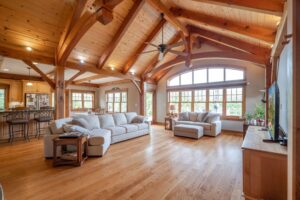
Ready to get started? Contact us at 734-864-9790 or email your ideas to [email protected] We can guide you while developing your dream timber frame home.